 HX2B
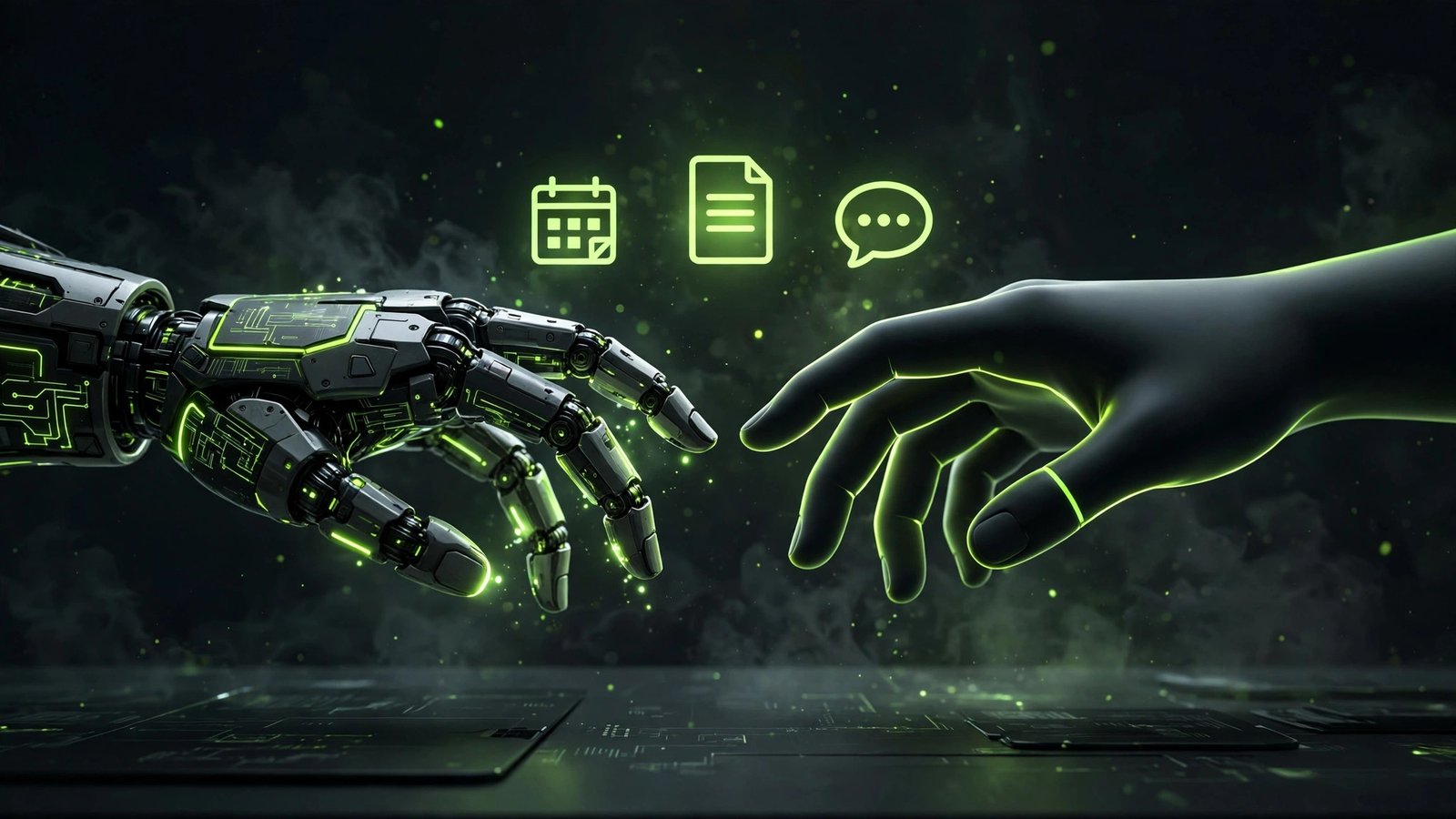
Every HR conversation today ends up at the same question: what should AI do, and what should it never touch? The honest answer is that AI is very good at some parts of HR and should be kept far away from others. Getting that line right is the difference between a team that moves faster and a team that stops trusting its own systems. At HX2B, the whole product is built on this idea — it is in our tagline: Where AI and Humans Meet.
What AI is genuinely good at in HR
AI earns its place in HR by doing the repetitive, information-heavy work that eats a manager's day:
- Answering routine questions — "How many leaves do I have left?" "Who is on leave this week?" "What is my attendance this month?" An AI assistant can answer these in seconds, from the same records a manager would check.
- Summarising the month — attendance, leave, deals, and team activity, pulled together into a short summary instead of a manager spending an evening building it.
- Drafting and organising — first drafts of job posts, meeting notes, and reminders, ready for a human to review and send.
- Spotting patterns — attendance dips, leave clusters, or a pipeline that has gone quiet. AI is good at noticing what a busy person misses.
None of this replaces a decision. It replaces the digging that comes before a decision.
What AI should never decide alone
Some decisions belong to people, and no amount of automation changes that:
- Who gets hired or rejected — AI can rank and shortlist, but a human must make the call. A candidate is more than a score.
- Discipline and performance judgments — these carry real consequences for a person's livelihood. They need context, conversation, and accountability that only a person can give.
- Pay and promotions — AI can show the numbers, but the decision involves fairness, history, and judgment about a person, not just a record.
- Sensitive conversations — a leave request after a bereavement, a conflict between colleagues, a health issue. These need empathy, and empathy cannot be automated.
The rule is simple: if a decision affects someone's career, income, or dignity, a human makes it. AI can prepare the facts, but the signature is human.
The human layer is the point, not the problem
There is a temptation to see the human parts of HR as inefficiency — something to automate away. That is a mistake. The human parts are the reason people trust the system at all. An employee accepts a decision from a manager they can talk to. They do not accept the same decision from a black box. When AI handles the routine work, managers get their time back for the conversations that actually matter: coaching, resolving conflict, and understanding what a team member needs. The goal is not fewer humans. It is humans spending their time on human work.
How HX2B thinks about it
That is why HX2B's AI assistant is deliberately read-only and scoped: it answers questions from your own team's records, it drafts and summarises, and it never takes an action on its own. Approvals, hiring decisions, and payroll stay with people. AI does the finding and the summarising. Humans do the deciding. That is what "Where AI and Humans Meet" means in practice — not AI replacing people, and not people doing work a machine could have done in seconds, but each doing what they are actually good at.
The bottom line
The companies that get the most from AI in HR will not be the ones that automate the most. They will be the ones that automate the right things — the questions, the summaries, the patterns — and keep the decisions, the conversations, and the judgment firmly with people. If that is the balance you want, join the HX2B waitlist or write to business@hx2b.com. We would like to show you what it looks like when AI and humans actually meet.